Rwanda Joins the Global Pledge to Triple Nuclear Energy Capacity by 2050
On Friday, 21 November 2025, on the sidelines of COP30, Rwanda joined the global commitment to triple nuclear energy capacity by 2050, reflecting the country’s commitment towards achieving net-zero emissions by mid-century and positioning as an emerging leader in adopting modern, clean, and reliable energy technologies.
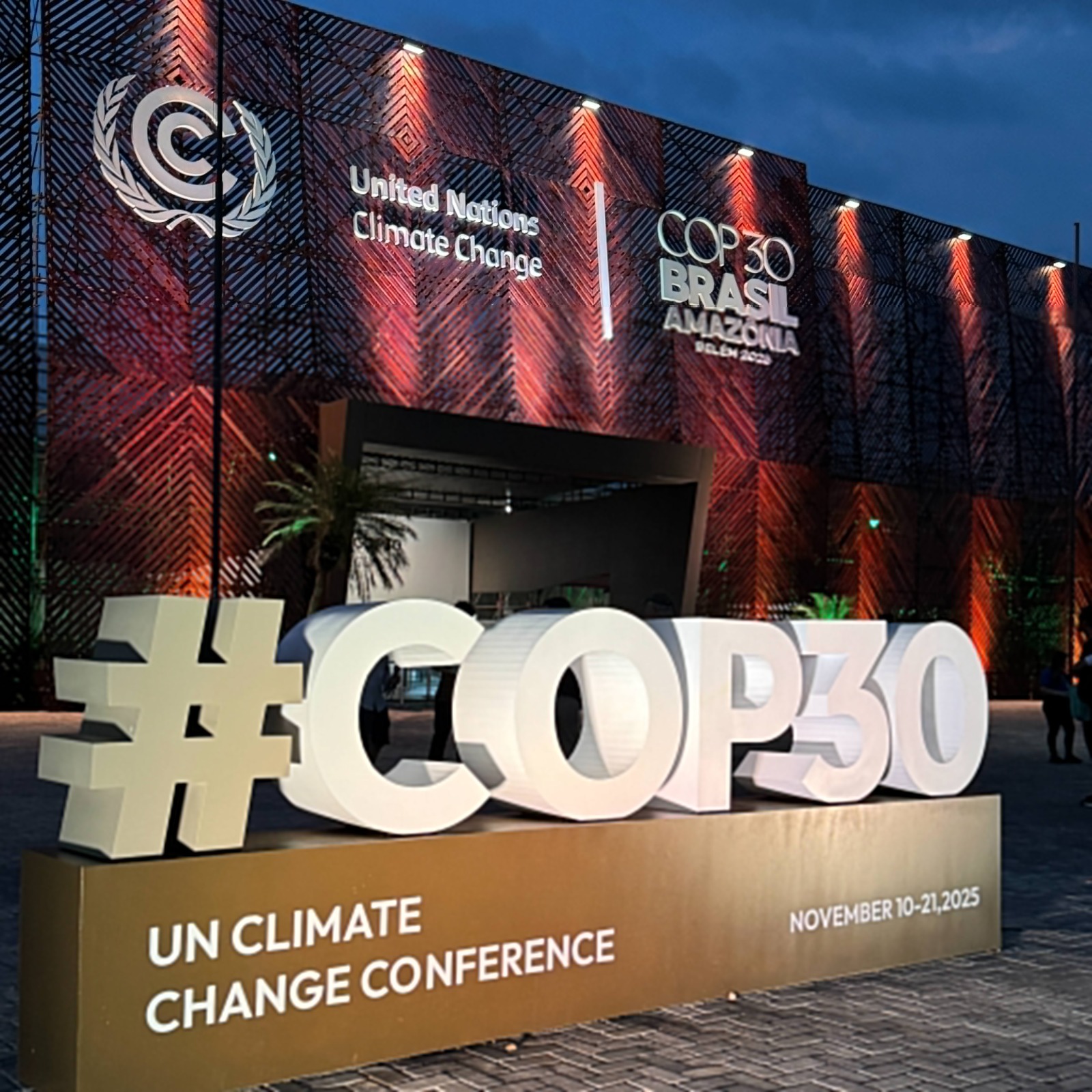
Photo courtesy IAEA
The Declaration to Triple Nuclear Energy, which was launched two years ago at COP28, recognizes nuclear energy as essential for achieving global net-zero targets, ensuring reliable clean baseload power, and supporting sustainable development. As climate impacts intensify and global electricity demand surges, nuclear energy is increasingly being recognized as a reliable, carbon-neutral technology capable of generating large amounts of power at scale.
The declaration says the countries recognise the need for a tripling of nuclear energy capacity to achieve “global net-zero greenhouse gas/carbon neutrality by or around mid-century and in keeping a 1.5°C limit on temperature rise within reach”. It also commits “to mobilize investments in nuclear power, including through innovative financing mechanisms” and “to supporting the development and construction of nuclear reactors”, among others.
Nuclear energy directly aligns with Rwanda’s long-term national objectives of energy security, industrialization, and climate-resilient development. With nuclear recognized globally as the second-largest source of clean dispatchable baseload power, it offers a strategic pathway to diversify Rwanda’s energy mix, stabilize electricity supply for future industrial growth, and support national commitments to low-carbon development.
With the endorsement of this declaration, Rwanda stands to benefit from increased access to advanced reactor technologies, strengthened international technical cooperation, and improved financing opportunities for newcomer countries, including through multilateral development banks and innovative financing mechanisms highlighted in the declaration.
Rwanda could also gain from more resilient global nuclear supply chains and broader international support for safe, secure, and sustainable deployment.
Currently, 33 States have endorsed the Declaration to Triple Nuclear Energy including; Armenia, Bulgaria, Canada, Croatia, the Czech Republic, El Salvador, Finland, France, Ghana, Hungary, Jamaica, Japan, Kazakhstan, Kenya, the Republic of Korea, Kosovo, Moldova, Mongolia, Morocco, the Netherlands, Nigeria, Poland, Romania, the Republic of Rwanda, Senegal, Slovakia, Slovenia, Sweden, Turkey, Ukraine, the United Arab Emirates, the United Kingdom and the United States of America.
Additionally, over 140 companies in the nuclear industry, 16 major financial institutions and a growing number of energy-intensive enterprises support the goal, according to the IAEA.
End.